Reviewing This Sweetie is in 3rd Grade for Embroidery
As a designer who spends more time staring at stitch simulations than I care to admit, I approach every new machine embroidery design with a mix of curiosity and skepticism. We have all been there: you download a cute graphic, load it onto your machine, and pray the thread does not bunch up into a bird’s nest. Today, I am taking a close look at This Sweetie is in 3rd Grade. It is not just another back-to-school motif; it is a specific milestone marker that parents and teachers love to celebrate. But does it hold up under the needle?
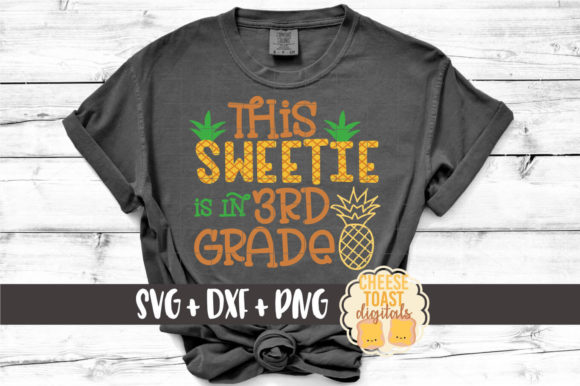
My first impression of this piece is that it balances playfulness with clarity. The typography suggests a youthful energy without sacrificing readability, which is crucial when you are working with smaller hoop sizes. When I visualize this as a finished product, I do not see it getting lost in the fabric. Instead, it commands attention in a gentle, inviting way. For those of us running a craft business or selling on Etsy, that immediate visual hook is half the battle.
Real-World Application: The Custom Tote Bag Test
To truly evaluate an embroidery file, you have to imagine it on actual goods. I recently worked on a batch of custom canvas tote bags for a local elementary school fundraiser. This is where This Sweetie is in 3rd Grade shines. Canvas provides a stable, textured surface that holds stitches well, allowing the design to pop without sinking into the weave.
I imagined placing this design centrally on a natural cotton tote. The result would be a charming, functional accessory that a third-grader could proudly carry their library books in. It transforms a simple bag into a personalized gift that feels bespoke rather than mass-produced. For Etsy sellers, this kind of application is gold. It moves beyond standard apparel and into the realm of useful, everyday items that customers appreciate for their durability and sentiment.
However, the versatility extends further. I can easily see this working as sweatshirt embroidery on a heather grey crewneck. The contrast between the soft fabric and the structured stitching adds a layer of sophistication to what is otherwise a playful message. It is not just for kids; it is for the proud parents and grandparents who want to commemorate the year. This emotional connection drives sales in the handmade product market.
Technical Considerations for Stitchers
Let us talk about the mechanics. While the product description notes that the download includes SVG, PNG, and DXF cut files for machines like Cricut or Silhouette, we need to address the elephant in the room for embroiderers. These are primarily vector and raster graphics intended for cutting vinyl or paper. If you are planning to use this as a machine embroidery design, you must ensure you have the appropriate embroidery-specific file formats (such as PES, DST, or EXP) compatible with your machine. If the package only contains cut files, you will need to digitize the design yourself or confirm with the creator if embroidery versions are available separately.
Assuming you have the correct digitized file, pay close attention to stitch density. Designs with bold lettering often rely on fill stitch patterns to create solid color blocks. On thinner fabrics, this can cause puckering. I always recommend using a high-quality cut-away stabilizer for knit fabrics like t-shirts or sweatshirts. For woven fabrics like aprons or pillow covers, a tear-away stabilizer might suffice, but test it first.
Another critical factor is the size of the text. "3rd Grade" is shorter than "Kindergarten," which means the letters might be larger relative to the hoop, but "This Sweetie is in" could feature smaller font sizes. Small lettering requires precise tension settings. If your machine is even slightly out of tune, those tiny curves in the script can turn into jagged lines. I advise running a test stitch on scrap fabric of the same type you intend to use for the final embroidery project. Check the clarity of the small details before committing to your final garment.
Navigating Fabric and Color Choices
The success of This Sweetie is in 3rd Grade heavily depends on your choice of thread colors and fabric background. High contrast is your friend here. A bright pink or teal thread on a white tote bag will look crisp and modern. However, if you are stitching on dark navy or black fabric, you need to ensure the design has a proper underlay or satin border to prevent the background fabric from showing through the fill stitches.
Be cautious with stretchy fabrics. If you are attempting this on a baby onesie for baby embroidery, the stretch can distort the design over time. Using a fusible stabilizer on the back of the fabric before hooping can help maintain the shape. Also, consider the hoop size. Ensure the entire design fits comfortably within your hoop with enough margin for the frame to grip the fabric securely without crushing the stitches.
For those creating commercial embroidery items, consistency is key. If you are making a set of shirts for a whole third-grade class, you need to ensure that the design scales correctly for different shirt sizes. A design that looks perfect on an adult medium might look cramped on a youth small. Always check the dimensions provided in the file metadata.
Commercial Viability and Brand Consistency
From a business perspective, this design fits neatly into the seasonal rush of back-to-school sales. It is a evergreen niche because every year, a new group of students enters third grade. As a small shop product, it offers high perceived value. Customers are willing to pay more for personalized items that mark specific life milestones.
When listing this on your online store, use clear printable mockup images that show the texture of the stitches. Buyers want to see the quality of the work. Highlight that this is a premium design asset that results in a durable, washable finished product. Mentioning the ease of use with cutting machines for hybrid projects (like iron-on patches combined with embroidery) can also broaden your appeal.
Remember to verify licensing terms. Just because you have the file does not mean you have unlimited commercial rights. Always read the creator's terms regarding how many physical items you can sell. Respecting intellectual property builds trust within the creative community and protects your business from legal issues.
Final Verdict
This Sweetie is in 3rd Grade is a charming, versatile design that, when handled with technical care, produces beautiful results. It is ideal for tote bag design, custom apparel, and home decor items like pillow covers. Its strength lies in its emotional resonance and clean layout. However, success depends on proper stabilization, correct file formats for embroidery, and thoughtful color selection. For the diligent maker, this design is a reliable addition to your library of Graphics and Crafts resources, ready to bring joy to third-graders and their families alike.