Reviewing Teach Love Inspire Sublimation PNG for Embroidery
As a designer who spends half my life digitizing files and the other half stitching them out, I have learned to look at any graphic with a critical eye. We often see beautiful digital assets marketed broadly, but the real test is always in the needlework. Today, I am evaluating Teach Love Inspire - Sublimation PNG not just as a print file, but through the lens of an embroidery professional considering it for real-world application. While this product is explicitly described as a high-resolution sublimation design including 300 DPI PNG, JPG, and PDF files, understanding its visual structure helps us determine how it might translate into a stitched embroidery project or how it complements hybrid crafting techniques.
First Impressions: Mood and Visual Personality
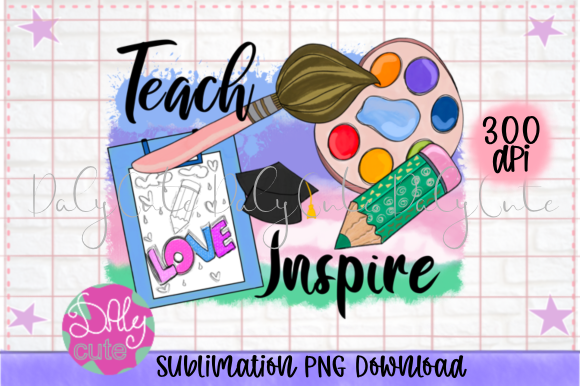
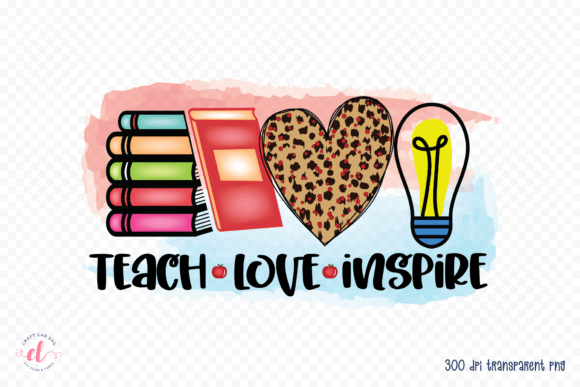
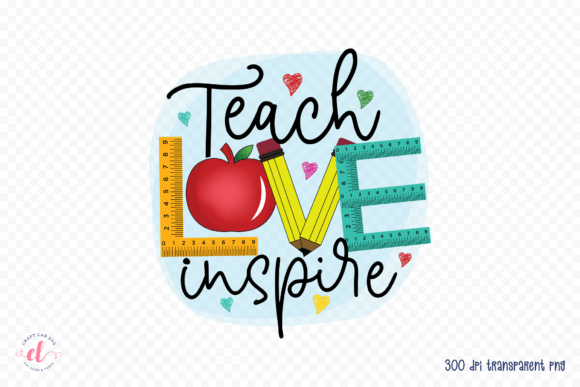
The phrase "Teach Love Inspire" carries a specific weight in the education community. It is warm, encouraging, and deeply personal. When I first loaded the Teach Love Inspire - Sublimation PNG onto my screen, the immediate impression was one of approachable professionalism. The graphics are eye-catching, suggesting a layout that balances bold statement typography with softer, decorative elements. For an embroidery designer, this balance is crucial. A design that is too busy becomes a nightmare of thread breaks and puckering; a design that is too simple can feel cheap on a finished garment.
This particular asset, categorized under Crafts and Graphics, seems to hit a sweet spot. The transparent background mentioned in the description is a vital feature. Whether you are using it for its intended sublimation purpose on a mug or analyzing it to create a custom applique design for a tote bag, that transparency allows you to visualize the end result immediately. The mood is uplifting, making it a natural fit for teacher appreciation gifts, end-of-year presents, or back-to-school merchandise.
Real-World Application: From Screen to Stitch
Let’s imagine a realistic scenario. You run a small craft business or are an Etsy seller looking to expand your line of personalized teacher gifts. You want to create a high-quality canvas tote bag. While Teach Love Inspire - Sublimation PNG is designed for sublimation, its clear, high-resolution lines provide an excellent template for tracing or digitizing a complementary machine embroidery design.
If you were to adapt this visual concept for embroidery, the "Teach" element might work beautifully in a dense fill stitch to give it weight, while "Love" could be rendered in a flowing satin stitch script to add elegance. "Inspire" might benefit from a lighter touch, perhaps using a running stitch outline or a delicate bean stitch to keep the fabric flexible. The key here is recognizing that the source graphic’s clarity allows for precise adaptation. If you are selling custom apparel like sweatshirts, the visual hierarchy of this design ensures that the message remains legible even from a distance.
For those who strictly use sublimation, the 300 DPI resolution is non-negotiable for crisp prints on mugs, signs, and cards. However, for the embroidery enthusiast, this file serves as a perfect reference for color matching. You can pull thread colors directly from the PNG to ensure your thread colors harmonize perfectly with any printed elements you might combine with your stitching, such as a sublimated patch on an embroidered patch backing.
Navigating Technical Challenges and Fabric Choices
Every designer knows that what looks good on a monitor does not always behave well on fabric. When considering a design with this level of graphic detail for embroidery, we must discuss stitch density and fabric texture. If you are digitizing this concept yourself based on the PNG reference, be wary of creating overly dense areas. High-density stitching on thin fabrics can cause puckering, ruining the professional look of your handmade product.
For textured fabrics like terry cloth towels or fuzzy sweatshirts, a design with clean, open spaces works best. The Teach Love Inspire - Sublimation PNG appears to have sufficient negative space, which is a positive indicator. However, if you are working on stretchy fabrics like jersey tees, proper stabilization is critical. I always recommend testing on scrap fabric first. Use a cut-away stabilizer for garments that will be washed frequently, ensuring the finished product maintains its shape and the stitches do not sink into the fabric.
Curved surfaces present another challenge. If you are applying this concept to a cap, the center front panel is your only safe zone. Tiny lettering or intricate corners can get lost or distort on the curve of a hat. In such cases, simplifying the design elements derived from the original graphic is wise. For flat items like pillow covers or tea towels, you have more freedom to let the details shine, provided you manage the pull compensation in your digitizing software.
Enhancing Brand Value and Customer Trust
In the world of commercial embroidery and handmade sales, presentation is everything. A well-executed design builds trust. When a customer receives a personalized gift featuring a clear, well-stitched message like "Teach Love Inspire," they perceive higher value. The professionalism of the stitch-out reflects directly on your brand consistency.
Using high-quality source assets like Teach Love Inspire - Sublimation PNG ensures that your mockups and promotional images look sharp. Even if the final product is embroidered, having the original high-res graphic allows you to create stunning printable mockup previews for your online shop. This helps buyers visualize the item before purchasing, increasing buyer engagement and reducing hesitation. It bridges the gap between digital design assets and physical craftsmanship.
Practical Notes for the Modern Maker
Before you commit to production, here are my practical recommendations for working with this type of graphic in an embroidery context:
- Check Licensing: Always confirm the license terms. While the description mentions it is perfect for various products, ensure you have commercial rights if you plan to sell finished items or use the graphic in digital embroidery file bundles.
- Test Contrast: View the PNG in black and white. This helps you identify potential issues with stitch definition. If elements blend together in grayscale, they may lack definition when stitched in similar thread shades.
- Hoop Size Verification: Ensure your chosen hoop size accommodates the full design without crowding the edges. Leave at least an inch of margin for stability.
- Thread Selection: Choose threads that complement the vibrant nature of the original graphic. Polyester threads offer durability and sheen, ideal for items like tote bag design projects that see heavy use.
- Hybrid Techniques: Consider combining sublimation and embroidery. You could sublimate the background graphics onto a polyester shirt and embroider the text over it for a textured, premium look.
In conclusion, Teach Love Inspire - Sublimation PNG is a versatile asset. While primarily a sublimation file, its high resolution and clear composition make it an invaluable reference for embroidery designers. Whether you are creating baby embroidery for a newborn gift, holiday embroidery for Christmas presents, or small shop product lines for local teachers, understanding how to translate these graphics into stitch data is key. By paying attention to density, fabric choice, and stabilization, you can transform a simple digital image into a tangible, cherished keepsake. Always prioritize quality in your execution, and let the warmth of the message shine through every stitch.