Rose Pattern Review: A Designer’s Take on Circle Embroidery
As a designer who spends more time staring at stitch simulations than I care to admit, I have learned that not all digital files are created equal. Some look stunning on a screen but turn into a tangled mess of thread on fabric. Others are so simple they lack impact. Recently, I downloaded the Rose Pattern to test its viability for a client’s spring collection. This wasn’t just a casual browse; I needed a reliable embroidery file that could hold up under the scrutiny of a boutique buyer. Here is my honest assessment of how this design performs in real-world Crafts and commercial applications.
First Impressions: Mood and Layout
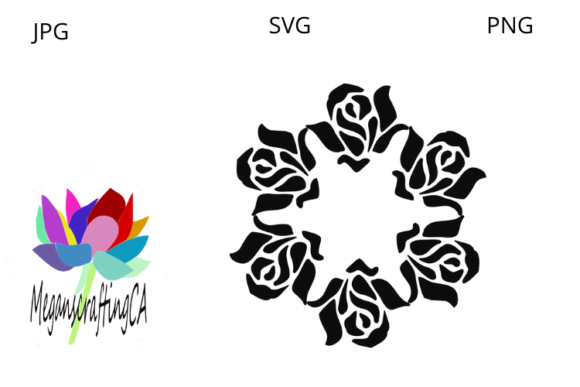
The first thing that strikes you about the Rose Pattern is its containment. The rose is enclosed within a circle shape, which immediately suggests order and balance. In the world of Graphics, circular logos are timeless because they draw the eye inward. For embroidery, this is a practical advantage. A contained design minimizes the risk of stray stitches or uneven tension at the edges, which is crucial when working with stretchy fabrics like jersey knits.
The mood here is classic yet approachable. It doesn’t scream for attention with overly complex shading, nor does it feel bare. It sits comfortably in that sweet spot where detail meets clarity. When I opened the SVG and PNG previews, I noticed the lines were clean. This suggests that if converted correctly into a machine embroidery design, the pathing should be logical. For a designer, this means less time fixing jump stitches and more time focusing on fabric selection.
Real-World Application: The Tote Bag Test
To truly evaluate a design, you must imagine it on a product. I envisioned this Rose Pattern on a heavy canvas tote bag. Canvas has a distinct fabric texture that can swallow fine details. Because this design uses a circular frame, it provides a solid boundary that anchors the floral element. I imagined using a satin stitch for the outer ring to give it a raised, tactile feel, while employing a fill stitch for the rose petals to create depth.
For an Etsy seller or small shop owner, this versatility is gold. You aren’t limited to one item. This same file could easily transition to a sweatshirt embroidery project. On a fleece or cotton blend hoodie, the circular shape prevents the design from looking distorted when the garment moves. It becomes a badge of quality rather than just a print. I also considered it for a personalized gift, such as a monogrammed apron. Placing the rose circle on the chest pocket area creates a subtle, professional accent that elevates a standard kitchen towel or apron into a heirloom-quality item.
Versatility Across Product Lines
The strength of this digital embroidery file lies in its adaptability. Here is where I see it fitting best in a craft business inventory:
- Custom Apparel: Perfect for left-chest placement on t-shirts or denim jackets.
- Baby Embroidery: Softened thread colors like pastel pink or sage green make it ideal for onesies or burp cloths.
- Embroidered Patch: The circular border makes it a natural candidate for iron-on or sew-on patches, which are high-margin items for online stores.
- Holiday Embroidery: Swap red threads for green and white for a subtle winter aesthetic, or use bright blooms for spring Easter gifts.
Technical Considerations and Stitch Density
While the visual appeal is strong, we must talk about the mechanics. Since the product description lists SVG, PNG, and JPG formats, it is vital to understand that these are design assets for graphic use or conversion, not necessarily ready-to-stitch DST or PES files unless specified. If you are converting this yourself, pay close attention to stitch density. Roses can quickly become bulky if every petal is over-filled. I recommend using a combination of running stitch outlines for definition and sparse fill stitches for the interior. This keeps the finished product flexible and comfortable against the skin.
If you are using this for an applique design, the circular shape is your best friend. You can cut a circle of contrasting fabric, tack it down with a zigzag or satin border, and let the rose graphic sit on top. This reduces stitch count significantly and adds a lovely textural contrast. However, always check the scale. A design that looks balanced at four inches might lose its integrity when shrunk to two inches for a cap or hat. Curved surfaces like caps require simpler designs to avoid puckering, so test your hoop size carefully.
Navigating Fabric and Color Challenges
One common pitfall with floral designs is contrast. On dark fabric, a dark red rose will vanish. I always advise creating a black-and-white mockup before stitching. If the design loses its shape in grayscale, you need to adjust your thread colors or add a backing layer. For thin or stretchy fabric, a proper stabilizer is non-negotiable. The circular frame helps distribute tension, but without cut-away stabilizer on knits, the hoop marks will remain long after the project is done.
For those selling commercial embroidery items, consistency is key. If you offer this on a tote bag design and a pillow cover, ensure the scaling is identical relative to the item size. Customers notice when a logo looks tiny on one product and massive on another. This Rose Pattern offers a consistent brand mark that can help build recognition for your small shop product line.
Designer Notes for Best Results
Before you list this as a new item in your store or gift it to a friend, follow these practical steps:
- Test on Scrap Fabric: Never stitch directly on your final garment. Use a similar weight and weave to check for puckering.
- Verify Licensing: The description mentions "Instant Download" and various graphic formats. Confirm if the license allows for commercial embroidery sales. Some graphic files require an extended license for physical goods.
- Check Detail Clarity: Zoom in on the SVG. Are the lines smooth? Jagged lines in a vector file will translate to jagged stitches.
- Contrast Check: Ensure your thread choice stands out against the fabric. High contrast equals higher perceived value.
- Mockup Variety: Create printable mockup images showing the design on light and dark backgrounds to help customers visualize the result.
Final Verdict
The Rose Pattern is a solid addition to any designer’s library. It bridges the gap between decorative flair and structural simplicity. For the handmade product creator, it offers a reliable template that works across multiple categories, from baby clothes to home decor. It doesn’t try to be everything to everyone, which is exactly why it works. It is a focused, elegant embroidery project starter that respects the limitations of the medium while maximizing visual impact. Whether you are digitizing it yourself or using it as a graphic reference for hand embroidery, this circle-shaped rose delivers a professional finish that customers trust and appreciate.