DM Authority: Reviewing the Dice Design
As an embroidery designer who spends more time staring at stitch maps than I do sleeping, I have learned to be skeptical of digital assets. We all know the drill: a file looks crisp on the screen but turns into a tangled mess of thread breaks and puckering once it hits the hoop. When I first pulled up Because I m the DM That’s Why Dice, my initial reaction was one of cautious optimism. The theme is unmistakably niche, tapping into the massive tabletop role-playing game community, but the real question for us professionals is always about execution. Does this design hold up under the needle, or is it just another pretty picture meant for inkjet printers?
The product description labels this as a graphic for cutting machines like Cricut and Silhouette, which immediately signals that we are dealing with vector-based line art rather than a pre-digitized machine embroidery design. This distinction is critical. For those of us in the Crafts sector looking to expand our design assets, this means the file serves as a foundational template. It is not a plug-and-play solution for your embroidery machine straight out of the folder. Instead, it is a raw material that requires a skilled digitizer’s touch to transform into a viable embroidery file. If you are an Etsy seller or a small shop product creator, understanding this workflow is the difference between a professional finished product and a hobbyist mistake.
Visual Personality and First Impressions
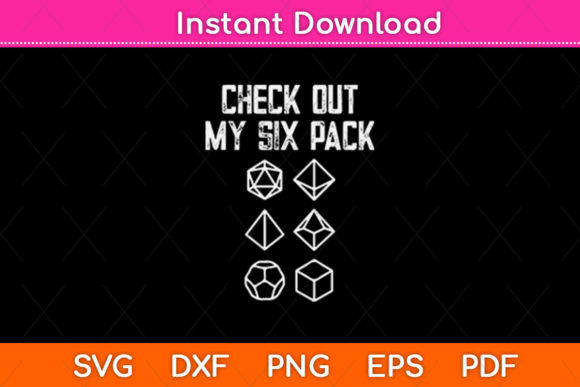
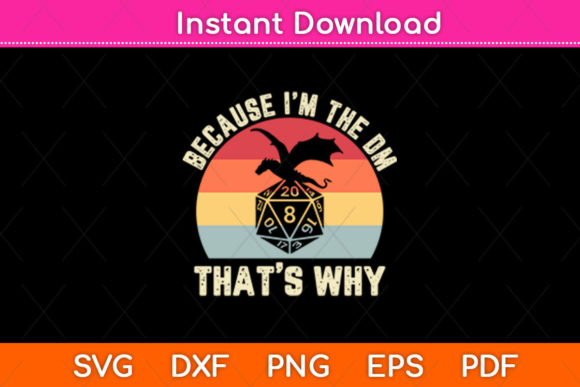
The aesthetic of Because I m the DM That’s Why Dice leans heavily into retro RPG vibes. The layout typically features bold, assertive typography paired with iconic imagery—usually a twenty-sided die or a dragon motif. From a design perspective, this creates a strong visual hierarchy. The text declares authority, while the graphics provide context. For an embroidery project, this combination offers excellent potential for contrast. The blocky nature of typical RPG fonts lends itself well to satin stitch applications, allowing for clean, sharp edges that read well from a distance. However, the intricate details often found in dragon scales or die facets can be treacherous if not simplified correctly during the digitizing process.
I imagine this design sitting prominently on a black cotton hoodie or a structured canvas tote. The mood it creates is one of playful dominance, perfect for the Dungeon Master who loves to remind their party who holds the power. In a retail setting, this isn’t just a shirt; it’s a badge of honor. For custom apparel businesses, this type of thematic specificity drives higher engagement because it speaks directly to a passionate subculture. It feels less like generic merchandise and more like a personalized statement piece.
Real-World Application and Stitching Strategy
Let’s talk about how this actually works in the hoop. Since this is a digital embroidery file source rather than a finished DST or PES file, your first step is digitizing. When converting this graphic for a sweatshirt embroidery project, I would recommend prioritizing stitch count management. Heavy fabrics like fleece or French terry can handle denser stitching, but you must balance the stitch density to prevent the garment from becoming stiff and board-like. A mix of fill stitch for the larger graphic elements and satin columns for the text usually yields the best results.
Consider a scenario where you are creating a tote bag design for a local gaming convention. Canvas is durable, but it has a visible weave. If you use a light thread color on a natural canvas without proper underlay, the fabric texture will show through, ruining the clarity of the design. Here, a solid tatami fill with a dense underlay is essential. Conversely, if you are attempting this on a baby embroidery item, such as a onesie for the next generation of gamers, you must drastically simplify the design. Tiny lettering and complex dragon details will not survive the wash cycle on delicate knit fabrics. In that case, I would strip the design down to just the dice icon and perhaps the word "DM," using a simple running stitch outline or a basic appliqué approach.
For embroidered patch creation, this design shines. Patches allow for higher stitch densities and the use of merrowed edges, which frame the artwork beautifully. A patch featuring this design could be sold as a standalone handmade product or used as an accent on denim jackets and backpacks. The rigid nature of patch backing supports the structural integrity of the text, ensuring that the letters remain legible even after years of wear.
Navigating Technical Challenges
There are specific situations where Because I m the DM That’s Why Dice requires careful handling. Curved surfaces, such as caps or hats, present a significant challenge. The distortion caused by the curve can warp the text, making it difficult to read. If you are digitizing for a cap, you must apply pull compensation aggressively and potentially arc the text to match the panel’s curvature. Additionally, small details in the "Retro RPG Dice Dragon" elements may need to be merged or removed entirely if they are smaller than 3mm, as needles cannot reliably stitch such fine points without breaking threads or causing bird nests.
Fabric choice is equally pivotal. On dark fabrics, you need high-contrast thread colors. A white or gold thread on black cotton pops effectively, but on heather grey or navy, you might lose definition. Always test your thread colors against the intended fabric background. Furthermore, if you are working with stretchy materials, a cut-away stabilizer is non-negotiable. Without it, the tension from the embroidery will cause the fabric to pucker around the design, distorting the message and ruining the professional look of your craft business items.
Commercial Viability and Brand Consistency
For commercial embroidery professionals, the value of this design lies in its versatility and niche appeal. It fits seamlessly into a broader collection of geek-chic merchandise. However, because the source file is described as suitable for cutting machines, you must verify the licensing terms before selling finished goods. Just because you can cut it with a Cricut does not automatically grant you the right to digitize and sell the embroidered version. Always confirm whether the license covers commercial use for derived embroidery works. This due diligence protects your small shop product line from legal issues and maintains your reputation for professionalism.
When presenting this in your online store, use high-quality printable mockup images that show the texture of the stitches. Customers buying personalized gift items want to see the tactile quality of the embroidery. Show close-ups of the satin edges and the clean backings. This transparency builds trust and reduces return rates. Whether it is for holiday embroidery gifts or year-round boutique branding, the perceived value of the final item depends heavily on how well the design is executed.
Final Designer Notes
Before you commit to a full production run of Because I m the DM That’s Why Dice, follow these practical steps. First, digitize a test version and stitch it out on scrap fabric identical to your final product. Check for thread breaks, jumps, and registration issues. Second, inspect the small details. Are the corners of the letters sharp? Is the dragon’s eye distinguishable? If not, simplify the vector source before re-digitizing. Third, compare the design on both light and dark backgrounds to ensure versatility. Finally, ensure you are using the correct hoop size to accommodate the full width of the text without hitting the hoop arms.
In conclusion, this graphic holds significant promise for the right creator. It is not a ready-made embroidery solution, but rather a robust starting point for a skilled digitizer. With careful attention to stitch types, density, and fabric compatibility, it can become a standout piece in any Gaming or RPG themed collection. Treat it with the technical respect it deserves, and it will reward you with a high-quality, engaging product that resonates with your audience.